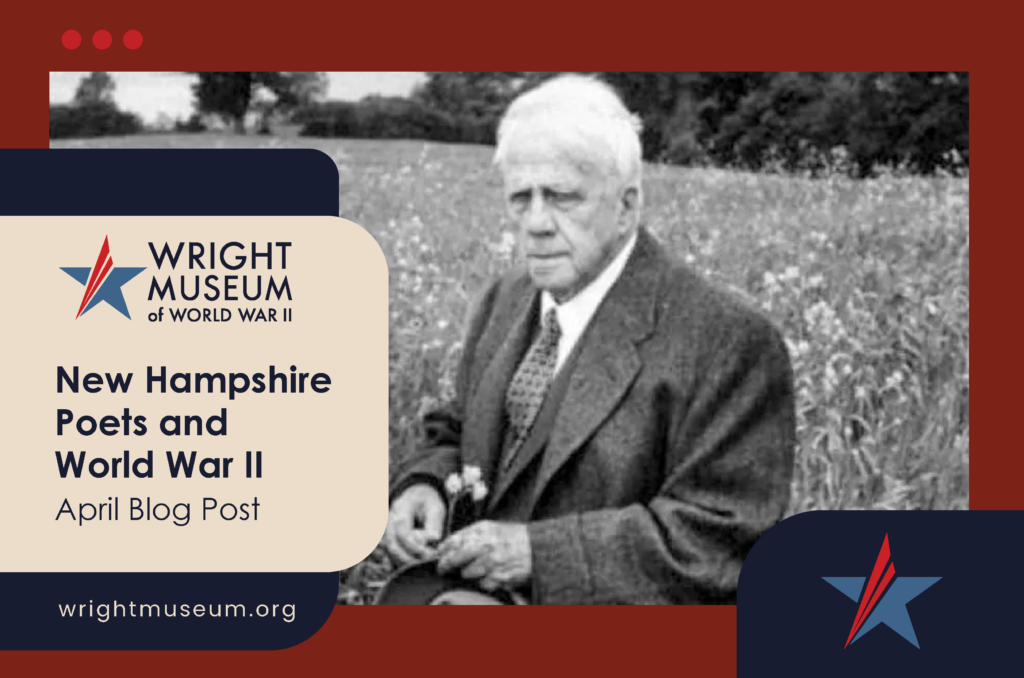
“One does not use poetry for its major purposes, as a means to organize oneself and the world, until one’s world gets out of hand.”
– Richard Wilbur, on the influence of his experiences in war on his poetry
Though Richard Wilbur never called New Hampshire home, his reflection on poetry to make sense of things beyond our control is apt for all the poets who wrote or grew up during World War II. In honor of National Poetry Month, the Wright Museum of World War II is honoring some of the World War II-era poets who called our state home.
Richard Eberhart (1904–2005)
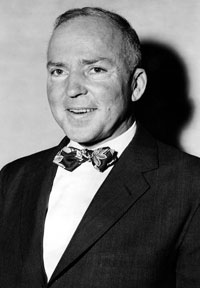
Arguably the most prominent New Hampshire-connected poet to serve in World War II, Richard Eberhart served as a lieutenant commander in the United States Naval Reserve, serving as an aerial gunnery instructor throughout the United States during the war. Once considered one of the most prominent American poets of the 20th century, Eberhart’s poetry is notable for its intellectual rigor, deliberateness, and forthright honesty. His most famous poems about war include “The Fury of Aerial Bombardment” and “An Airman Considers His Power.”
After the war, in 1956, Eberhart joined the faculty at Dartmouth College, where he spent the remainder of his career. Eberhart’s Selected Poems 1930–1965 (1965) earned him the prestigious Pulitzer Prize. His poetry spoke to the “big questions about life,” according to the Poetry Foundation. Eberhart himself said of poetry that it “is allied to religion and to music. It helps us to live because it expresses our limitations, our mortality, while exciting us to a beyond which may or may not be there . . . Poetry embraces the moment as it flies.”
Robert Frost (1874–1963)
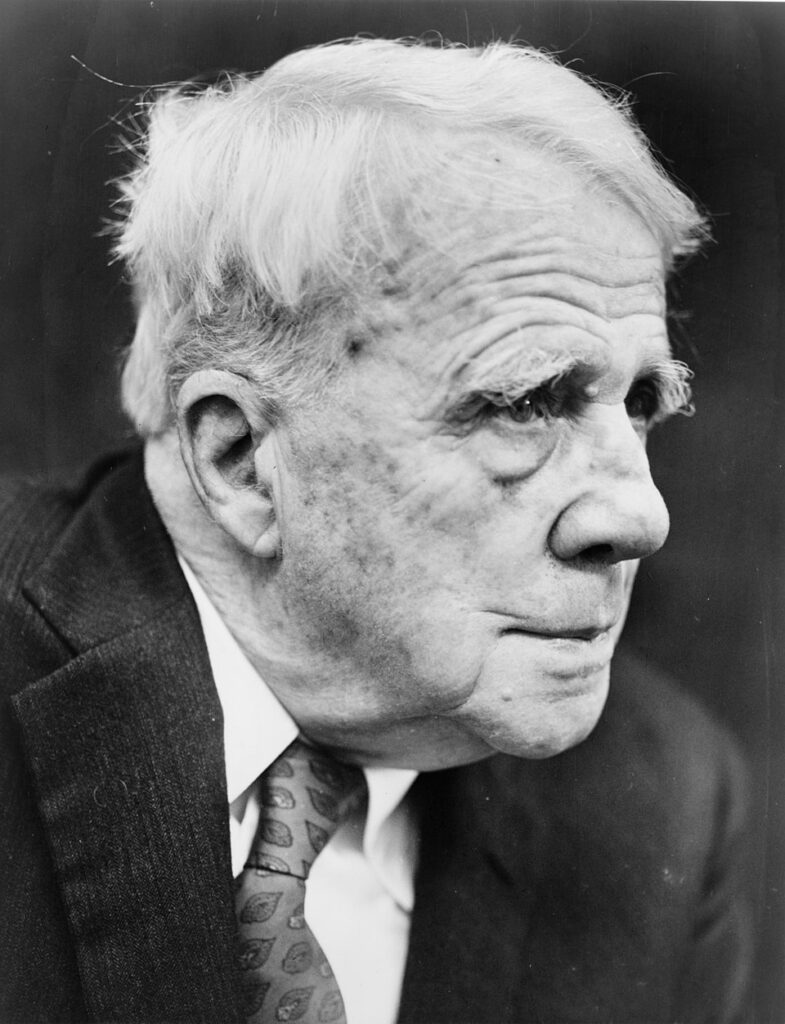
Maybe the most well-known of New Hampshire’s poets, Robert Frost did not directly serve in World War II as he was 65 years old at the start of the war. Frost viewed war as a “tragic, inevitable part of human nature rather than a glorious crusade,” according to the New England Historical Society. Though he opposed America’s entry into the war, preferring a noninterventionist philosophy, he nevertheless supported the Allied forces in their fight against Adolf Hitler.
When his close friend Louis Untermeyer approached him to write propaganda, Frost declined, choosing instead to teach at Dartmouth College as a George Ticknor Fellow. Years after the war ended, Frost would say that he chose to teach because he was “seeking kindred spirits—to comfort them and comfort me.” His poems were given to G.I.s to boost their morale, though shortly after the war ended Frost famously stated, “Wisdom is better than bravery.”
Frost believed in the necessity of fighting, especially in the need to defeat Hitler, but stopped short on actively engaging in contributing to the propaganda efforts or participating in the “gung-ho” patriotism of the time. His poem “The Gift Outright” (published in 1942) is widely regarded as a defining patriotic poem that deals with the nation’s struggle and identity.
Charles Simic (1938–2023)
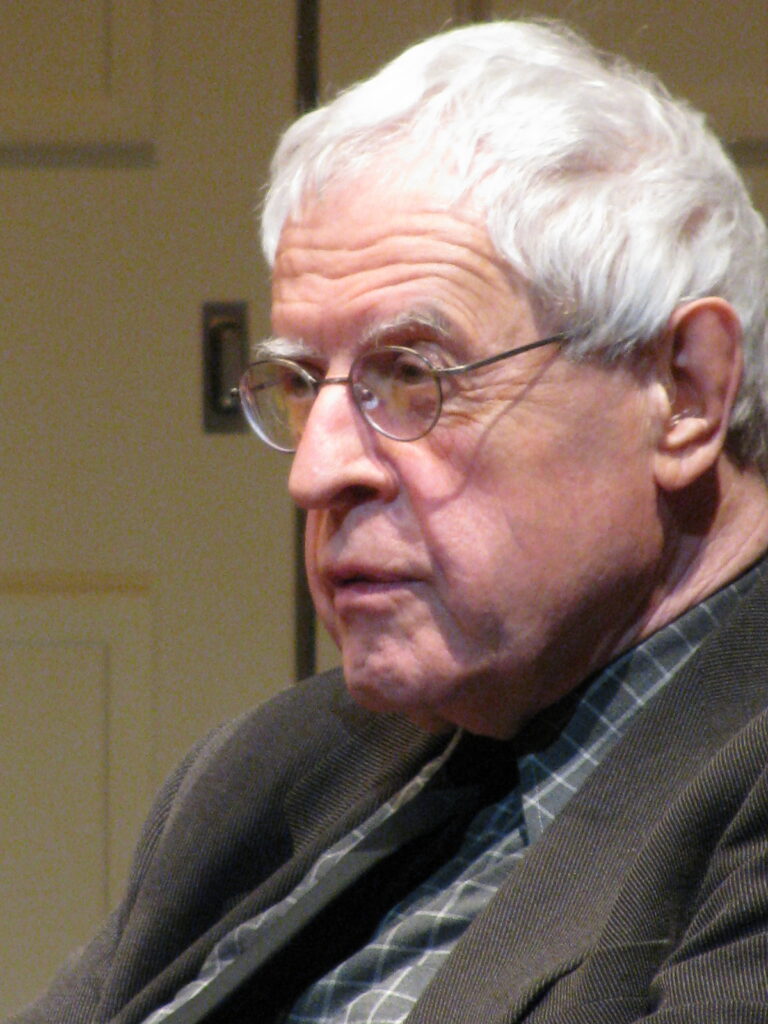
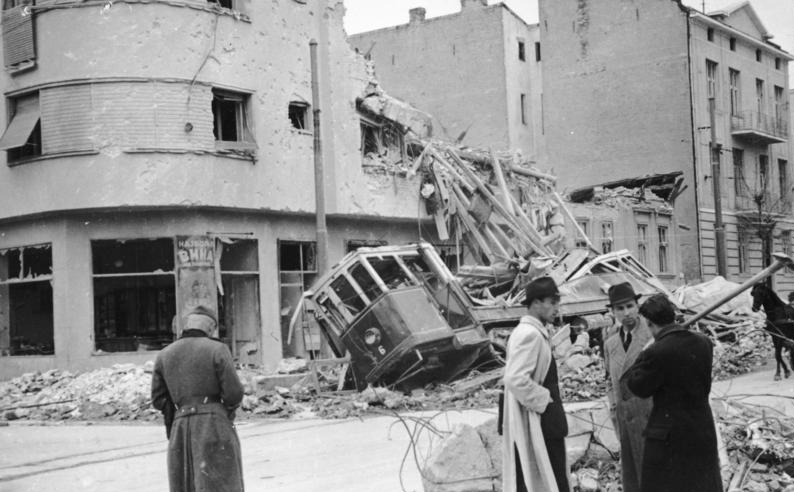
Charles Simic was born in Yugoslavia and spent the majority of his childhood there. Born and raised in Belgrade, his experiences during World War II shaped much of the man he would become. In a January 12, 2023 article in the New Hampshire Bulletin, Simic recalled his earliest memory as a night in April of 1941. It was the first time the Germans bombed Belgrade. “I was thrown out of my bed and across the room. I remember the room lit up from the flames—a bright, bright light,” he told reporter Mike Pride. His family was forced to flee their home several times during the war. Simic later said, “My travel agents were Hitler and Stalin.”
Simic’s family eventually emigrated from Yugoslavia, with his father leaving first and the rest of the family eventually reuniting with him in Chicago, Illinois. Simic was drafted by his new country in 1961 and served for two years. In 1973, he relocated to the University of New Hampshire, where he taught American literature and creative writing for over 30 years. Simic was appointed U.S. poet laureate from 2007 to 2008. His work explores many of his childhood experiences, including war, poverty, and hunger, all tempered by his gallows humor and ironic self-awareness. His best-known works “challenge the dividing line between the ordinary and the extraordinary,” according to the Poetry Foundation. Poems like “The Big War” are available in Simic’s New and Selected Poems:1962–2012.
Maxine Kumin (1925–2014)
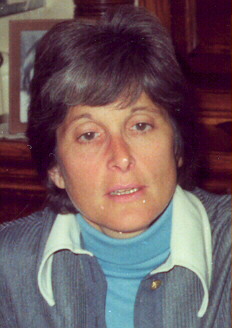
Maxine Kumin is often referred to as “Roberta Frost” for the similarities in subject matter and deep connection she has to her New England roots, just like Robert Frost. Kumin did not start writing until later in life, post-World War II. A Pulitzer Prize recipient and poetry consultant for the Library of Congress (the forerunner to the current U.S. poet laureate position), Kumin’s poems stem out of the geography of New Hampshire. Her poetry deals with themes like identity, the ephemeral nature of life and loss, and the human relationship to nature.
Deeply autobiographical in nature, Kumin’s poems give insight into the everyday rural life led by many in New England, providing insight into life in America. Though not strictly a war poet, Kumin’s work provides insight into life on the home front 60 years post-World War II.
Donald Hall (1928–2018)
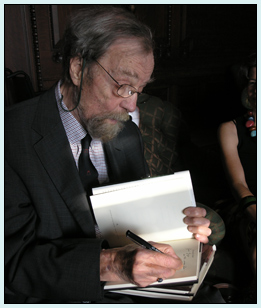
Donald Hall was not born in New Hampshire, but he spent his boyhood summers at Eagle Pond Farm, his maternal great-grandfather’s farm in New Hampshire. Decades later, he and his wife would purchase the farm and settle there after leaving higher education. Both he and his wife, Jane Kenyon, would continue to write and be inspired at Eagle Pond Farm. Hall’s first poem was published when he was just 16 years old as a student at Philip Exeter Academy. Hall attended Oxford University, where he won the Newdigate contest for his poem “Exile,” an honor few Americans have achieved. Additionally, Hall was appointed U.S. poet laureate from 2006 to 2007.
Hall’s work often explores a longing for the bucolic past and his reverence for nature. While too young to serve during World War II, Hall’s work suggests that his childhood experiences during the war were profound. He wrote a children’s book entitled The Farm Summer 1942, in which he follows a nine-year-old boy on a New Hampshire farm whose father serves in the Navy and whose mother works for the war effort. His poem “The Man in the Dead Machine” explores the absurdity of war and how nature preserves the dead long after their purpose is gone. It is largely acknowledged that his later works are among his best.
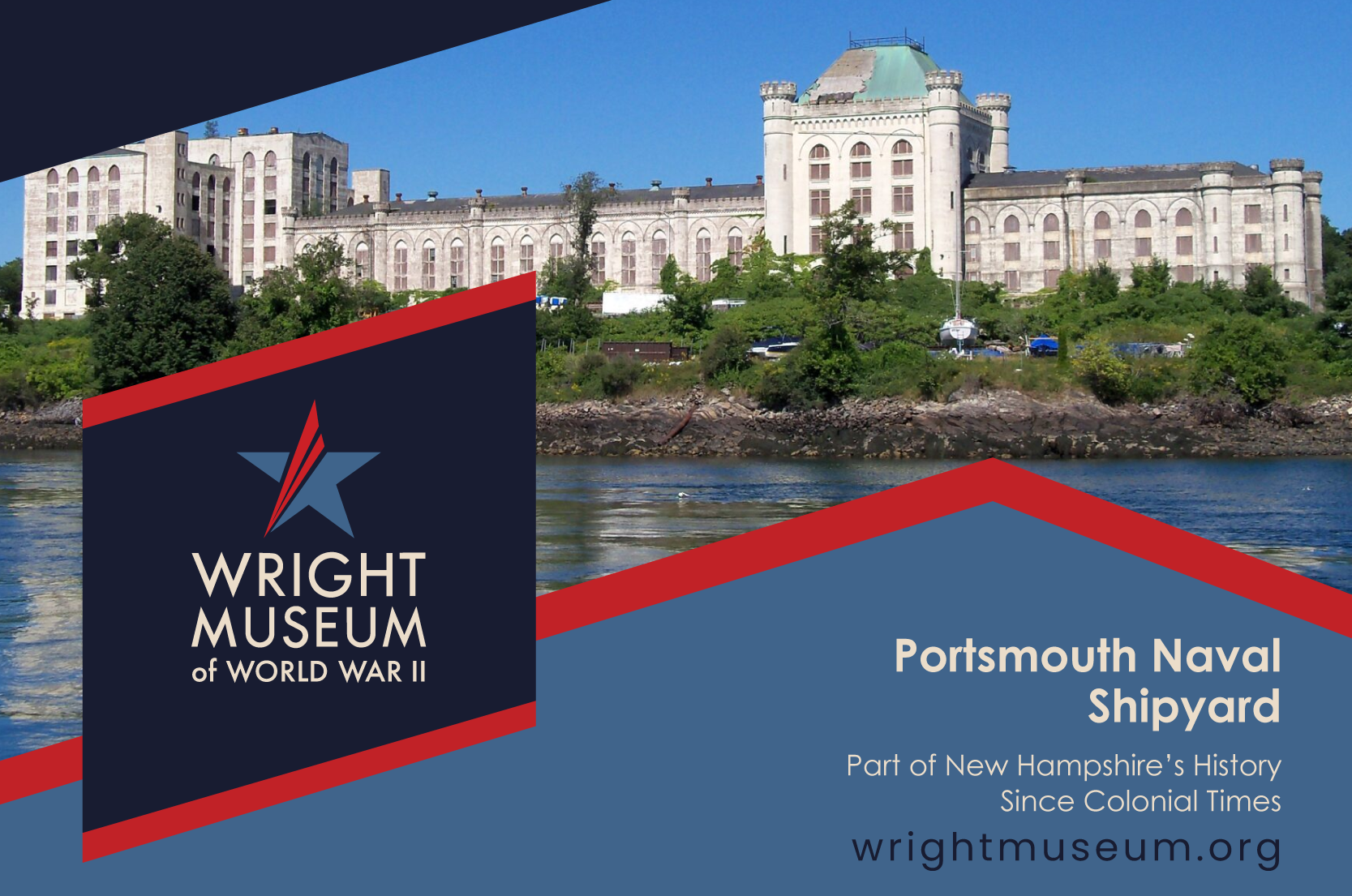
New Hampshire has a rich history of poets who contributed to the collective consciousness of their generations. The World War II era is no different. To learn more about the events that shaped these poets’ lives, the impact of World War II on the people and artists they became, be sure to visit the Wright Museum when we open for the season in May. We are proud of the role New Hampshire has played in the history of our nation. Be sure to check out our two seasonal exhibits, From Sails to Atoms: The Portsmouth Naval Shipyardand Always Vigilant: Civil Air Patrol from WWII through Today.
For more information on World War II-era New Hampshire poets, be sure to check out the following sites, which contributed to the information in this article:
New England Historical Society. “Robert Frost on World War II: ‘Wisdom Is Better Than Bravery’”
New Hampshire Bulletin. “‘I was a kid off the boat, adrift in the New World’: Remembering NH poet Charlie Simic”