“We Too, Have a Job To Do”
Dr. James E. West, Chief Scout Executive, Boy Scouts of America,
Scouting Magazine, January, 1942
October 12, 1942 – Columbus Day. With their wristwatches ticking away reminding them of their time-sensitive mission, David Demeritt and Donald Snodgrass plunge into the forest, disappearing into the brush and tree cover. They run and walk fifty paces at a time in order to cover a mile in twelve minutes. They carry a message which has already traveled twenty miles across cities, towns and countryside. Every second counts as it races toward its destination.
The woods swallow them as they press forward through undergrowth and low-hanging branches. Soon, another sound begins to compete with their hurried footsteps, the rush of flowing water. Louder and louder it grows until the two burst from the tree line and find their path blocked by a river. They already know the bridges were blown up, and there is no time to waste.
Without hesitation, they plunge into the cold October current and swim across. Soaked to the skin in their cotton and wool uniforms, they scramble onto the opposite bank. Side by side, pressing on, searching for the next couriers waiting to carry the message onward.
When they reach their objective to hand off the message, they are not greeted by Soldiers or Marines standing ready to relay vital wartime communication. Instead, waiting on them are Americans of a younger nature: their fellow Boy Scouts.
David and Donald had just swam across New Hampshire’s Pemigiwassett River carrying a message to aid the evacuation of the southern Concord. It called for two-hundred cots and four-hundred blankets to be sent to the capital city, which was being threatened by flood waters pouring south from the blown up dam in the town of Franklin.
Of course, no dam in Franklin was ever blown up during World War II, and no cots or blankets were delivered to Concord. The message the two boys carried was quickly followed up by a second, cancelling the first, and congratulating the scouts of the Daniel Webster Council on writing a new chapter in the history of emergency communication. David and Donald had just participated in the Concord – Laconia Central Area Communications Test, serving as official dispatch bearers through the Boy Scouts of America.
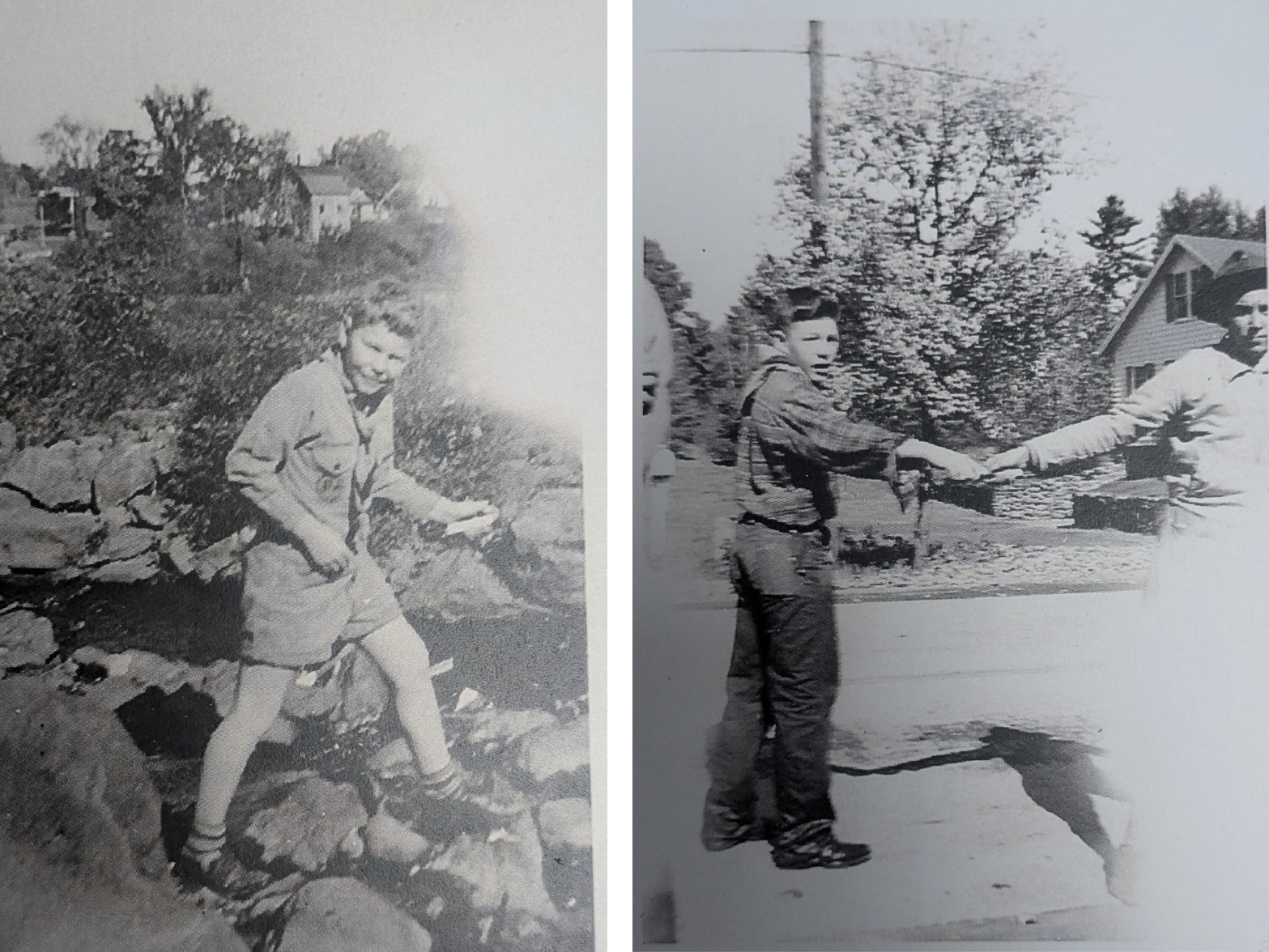
(Right) “Troop 61 Scouts [David or Donald] appears from woods near Tilton Line – Soaked to the skin!” (Photos & Captions: Lawrence L. Lee Scouting Museum)
Scouts as Messengers
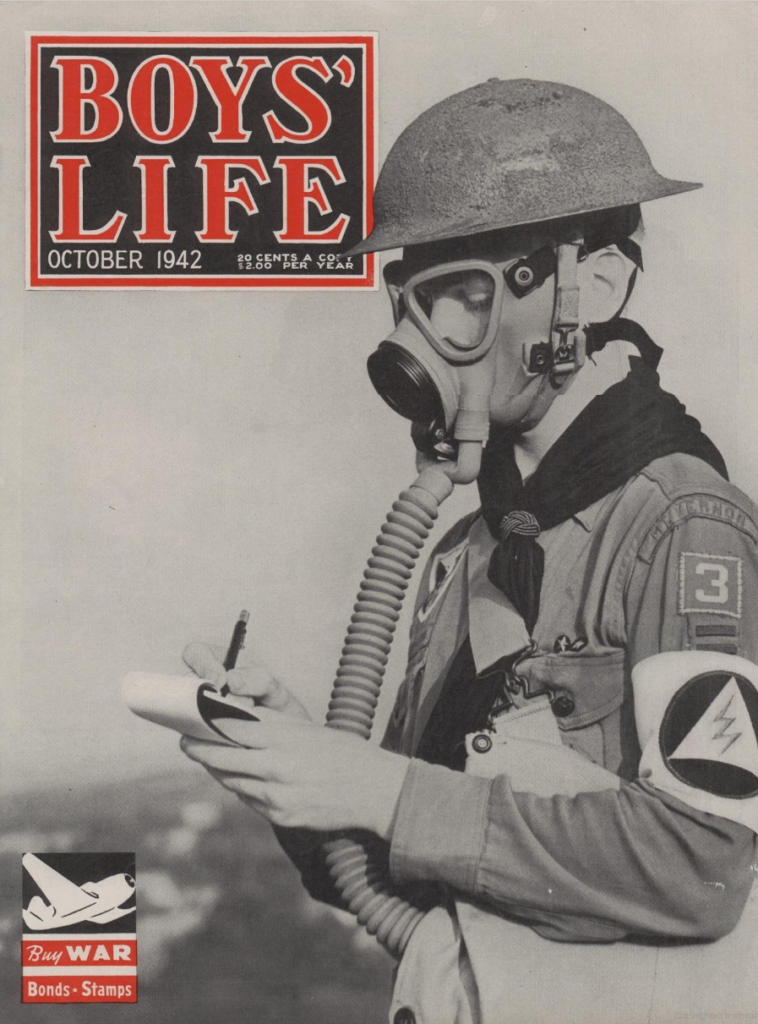
With manpower shortages growing in every capacity on the homefront, the Department of Civilian Defense relied on Americans young and old to fulfill roles such as air-raid wardens, auxiliary police, medical aides, and reconnaissance observers. One role specifically required Americans who could be swift on their feet, capable of navigating and self-sufficient enough to carry on even if all by themselves, and that role was the messengers.
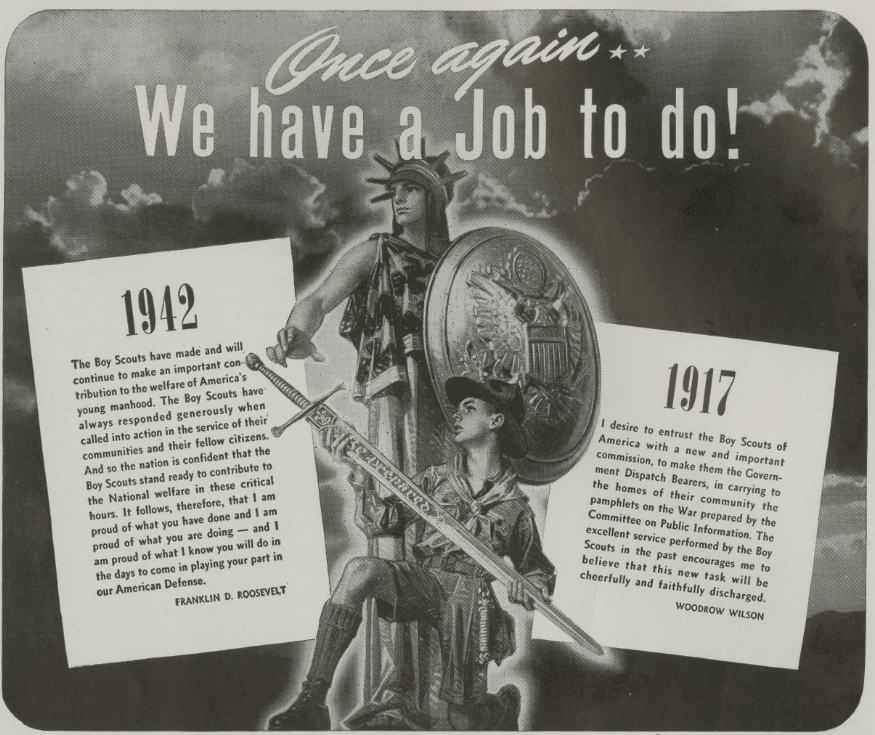
In case of emergency, if telephone and radio communications were destroyed, the Civilian Defense relied upon the Boy and Girl scouts to organize and carry forth messages. The decision to use scouts in this role was fitting. The Boy Scout program at that time enlisted 1.5 million youth in uniform, and the Girl Scouts just over 600,000, and both programs emphasized self sufficiency, navigation, outdoor skills, and attention to detail. Scouts learned signaling and partook in trips that prepared them to navigate difficult terrain. Local scouts would have participated in adventures and camping trips near their hometowns. Out of everyone, the scouts knew the woods, trails and pathways better than anyone else. Scouts were young, with energy and ample spirit to lend their services to victory, especially at the request of the President of the United States.
Scouting’s Honorary Chair, also known as Honorary President, has long been the U.S. President since William Howard Taft in 1911. Scouting’s sixth Honorary Chair, Franklin D. Roosevelt addressed the scouts directly in 1942, calling for their important contribution to the welfare of America’s young manhood. He detailed the confidence of the Nation that, “the Boy Scouts stand ready to contribute to the National welfare in these critical hours.” (Franklin D. Roosevelt, 1942).
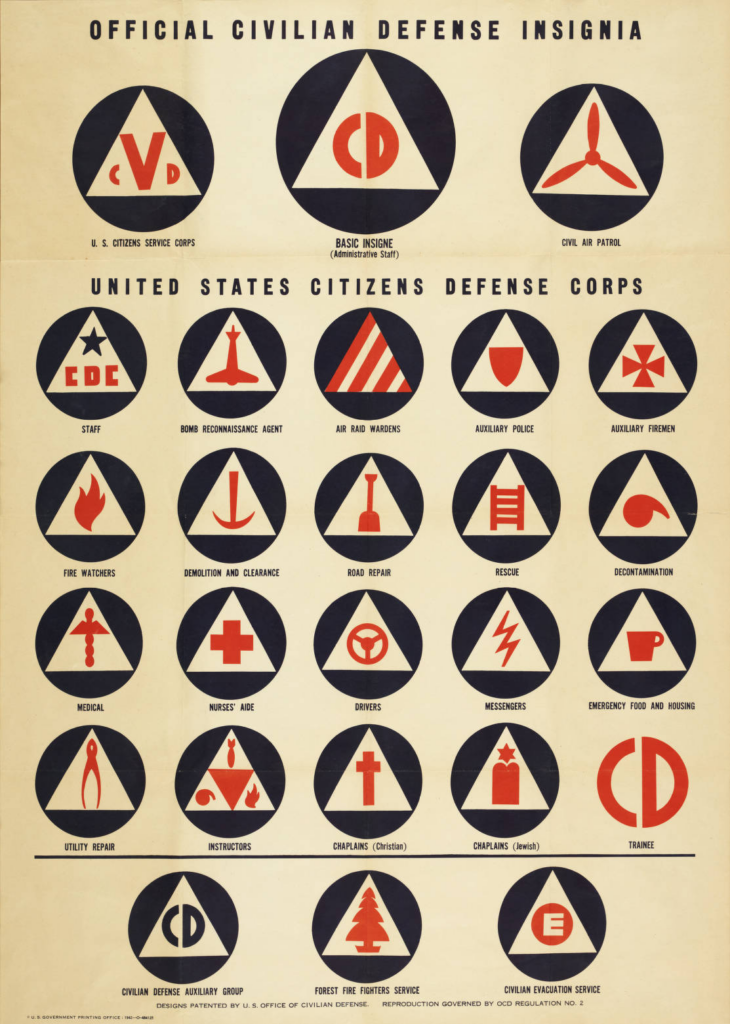
In 1942, through the Office of War Information (OWI) and the Civilian Defense , scouts were made official dispatch bearers, among other duties including emergency medical assistants, and fire watchers. Scouts were even authorized to wear Civil Defense insignia and awards on their Scout uniform to mark their wartime role.
The Merit of Messengers
With their new role in communications, Boy Scout leaders in New Hampshire and Civilian Defense organized a messenger test for Columbus Day. Field Scout Executive Robert L. Calvert and Laconia Chief Air Raid Warden John Hayward, envisioned what the scouts could achieve if tasked to send a message from Concord to Laconia under wartime conditions.
The plans drawn up, called for approximately thirty boys to run a message from Civilian Defense head-quarters in Concord, to Laconia City Hall. They would cover 31 ½ miles, moving at a standard, “Scout pace” running and walking alternatively fifty paces at a rate of speed that the scout could cover a mile in 12 minutes, while conserving energy.
The test would span Concord, Penacook, Boscawen, Franklin, Tilton and Laconia. It was outlined all bridges would be destroyed, as well as radio, telephone, and State police capabilities. The scouts would be on their own to carry the message through on foot, boat, or by using signalling techniques they learned through the Scouting program.
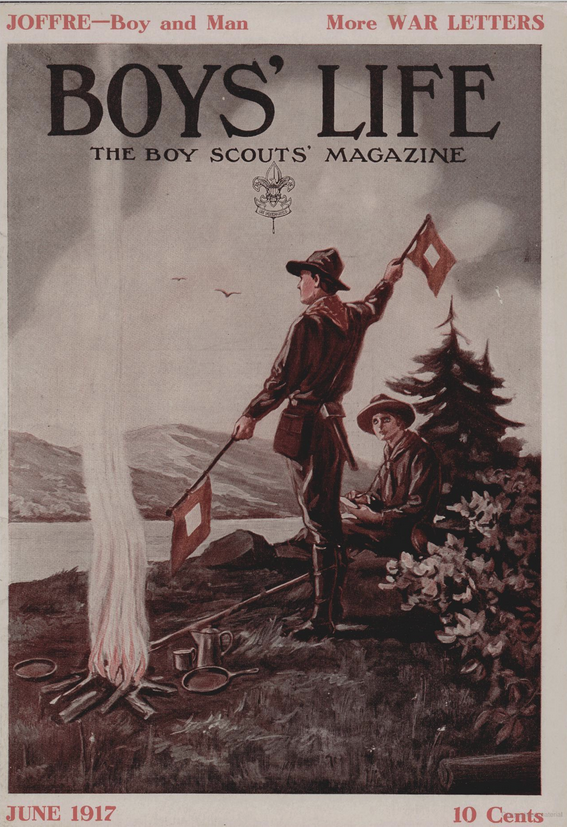
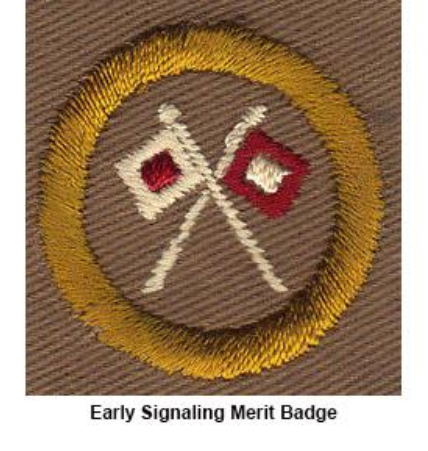
[Bottom] Early Boy Scout “Signaling Merit Badge.” (Photo: Lawrence L. Lee Scouting Museum)
In total, thirty-one scouts from seven communities would participate. The first left the State House at 7:00 am, until the 31st hopped a fence, rounded a corner, and trudged up to Laconia City Hall at approximately 1:18pm. The Manchester Union said that the scouts were, “Out to prove the merit of messengers running a steady, “scouts pace” as a means of getting vital messages through in the event of disruption of usual communication facilities.” The test had real world consequences if they couldn’t efficiently make the run in time, weakening the strength of America’s homefront defense to foreign threats.
Columbus Day Dependability
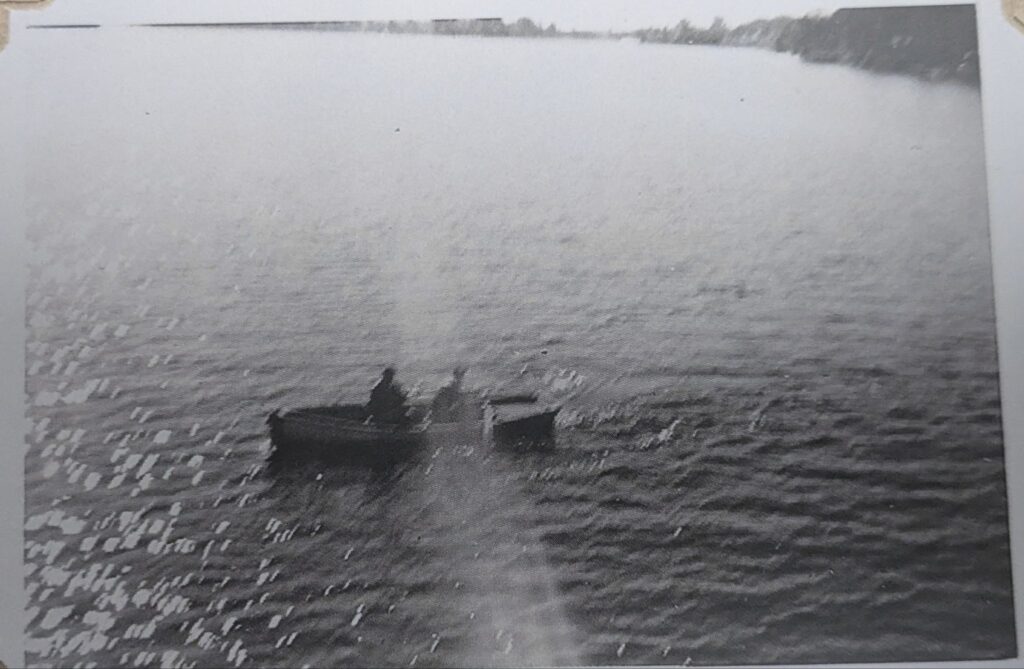
Finally October 12th arrived, and a Scout descended down the State House steps, beginning a journey across paved streets, rural countryside, and water features throughout New Hampshire. Along the way, spectators watched as the scouts navigated their mission to get the message through. Their pathfinding was tested as observers watched Chester Suchocki of Troop 68 from Laconia, row across the narrow portion of Lake Winnisquam, or Robert Bartlett plan the crossing of the Pemigewasset river, which David Demeritt and Donald Snodgrass crossed before disappearing well soaked, into the woods towards Tilton.
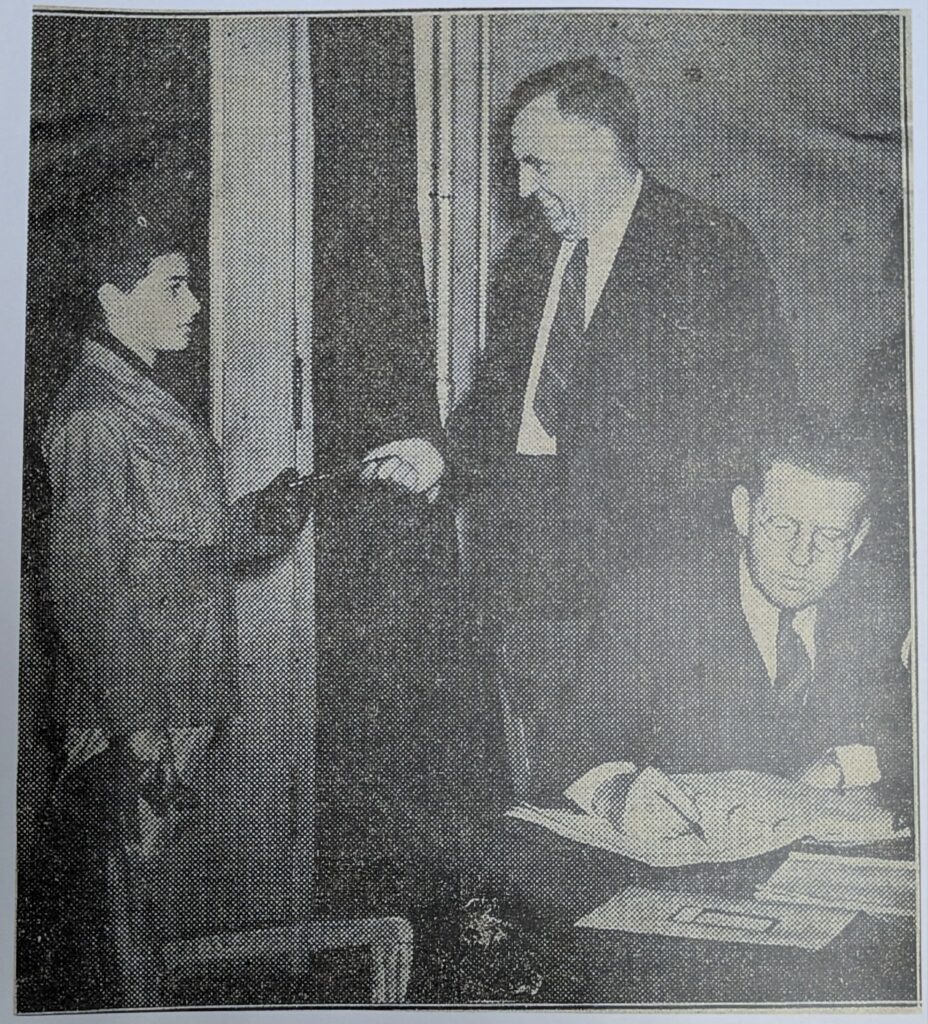
(Photo: Lawrence L. Lee Scouting Museum)
By the end of the run, Richard Sidegraves of Troop 143 ran the final lap to finish at Laconia’s city hall. Waiting for him there included; Frank R. Browning, Emergency service commissioner of the central area, Walter Cannon, member of Twin River district executive committee, Police Chief George N. Hubbard of Laconia, Chief Air Raid Warden John Hayward and Scout Executive Robert Calvert of Laconia. Hayward said, “A splendid demonstration of the dependability of the Boy Scouts at a time when all other services are lacking” adding, “we need more of this sort of activity and I am happy to have participated.”
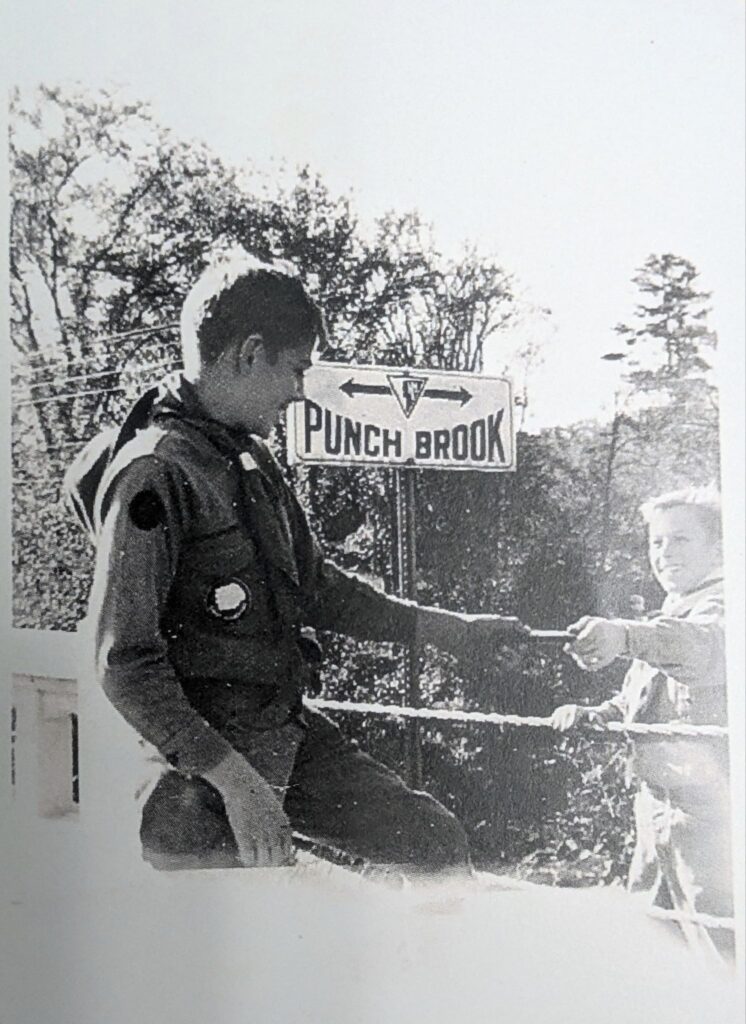
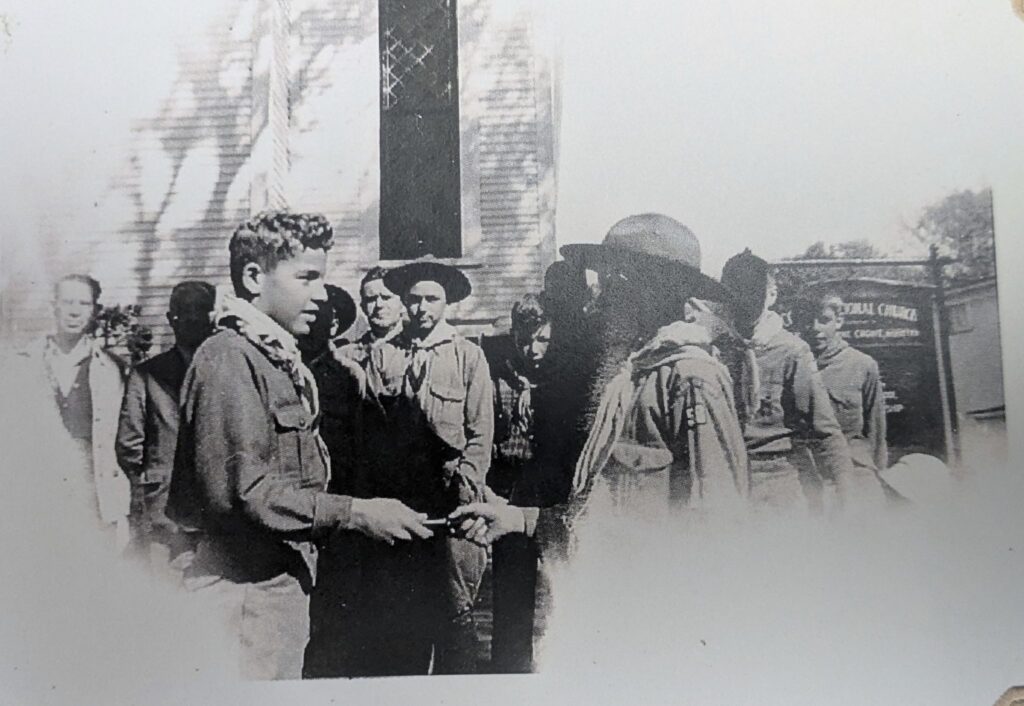
(Photo & Caption: Lawrence L. Lee Scouting Museum)
That fall, New Hampshire scouts proved the value of Scout messengers, and the real capabilities they provided during wartime for the nations’ defense. Today a google maps search would estimate the journey taking nearly 12 hours on foot, while using bridges and major roadways. In 1942, the scouts proved their worth and the merit of messengers, delivering the message in Laconia at 1:22 pm, completing the nearly 32 mile run in 6 hours and 22 minutes… just four minutes behind schedule.
Dr. James West’s quote earlier that year, “We Too, Have a Job To Do,” was proved to be more than a slogan by New Hampshire Scouts. Those young boys carried Dr. West’s message into real preparedness, and dependability, turning Scouting ideals into practical contributions to America’s defense.
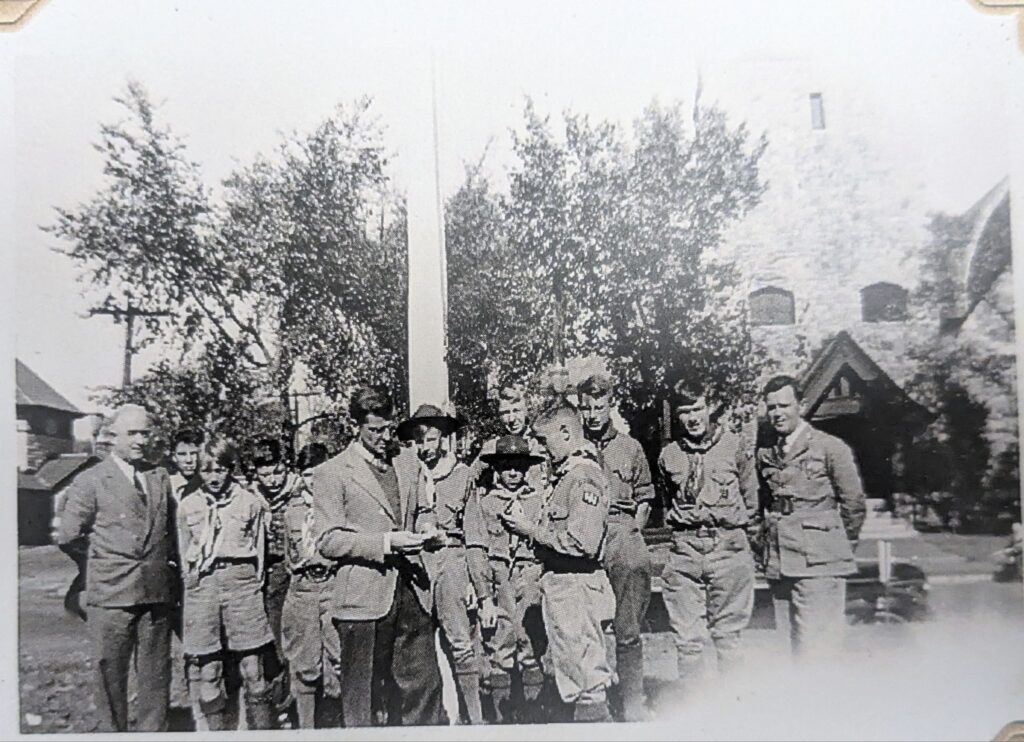
Chief air raid warden Hayward congratulates Sidegreaves on completion of 31 ½ mile message run by Daniel Webster Scouts. (Photo & Captions: Lawrence L. Lee Scouting Museum)
Sources
“The Central Area Communications Test – Columbus Day, 1942” Lawrence L. Lee
Scouting Museum & Max I. Silber Library, Manchester, New Hampshire, 2026.
”How the Boy scouts won World War II” – Pieces of History, U.S. National Archives Blog
“Scouting” magazine – The Portal of Texas History, SCOUT collection, Scouting Magazine, 1940-1949
“Boy’s Life” magazine – https://scoutlife.org/wayback/
Photograph Civilian Defense Corps Insignia – Penn State University Libraries